What is Freedom Summer?
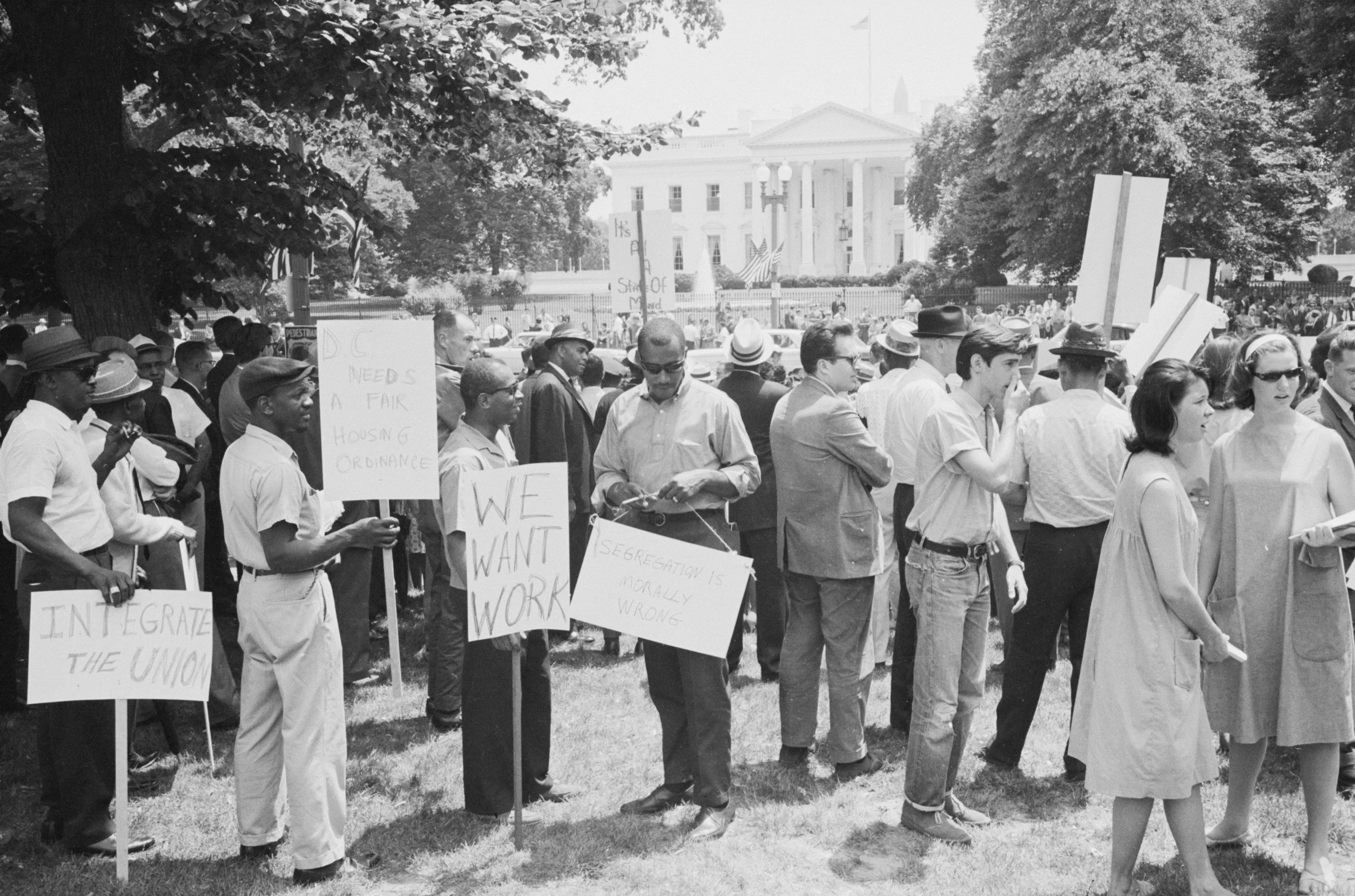
AME Freedom Summer is the African Methodist Episcopal Church's bold, denomination-wide call to action for the summer of 2026.
Born from 239 years of freedom witness — from Richard Allen's walk-out in 1787 to the Freedom Schools of Mississippi in 1964 — AME Freedom Summer is our answer to this moment. It is a movement of civic engagement and voter mobilization that refuses to accept the erosion of our democracy in silence. It is a declaration that the Black church is still in the street, still at the table, and still dreaming of the world God intended.
We are here to restore hope — not as a sentiment, but as a strategy. To remind every community that their voice matters, their vote is sacred, and their vision of a more just world is worth fighting for. AME Freedom Summer is built on three prophetic pillars:
Stay Informed — Know what is happening to our rights, our communities, and our democracy. Knowledge is the first act of resistance.
Speak Out — Use the prophetic voice of the AME Church — in pulpits, in public, and in the halls of power — to bear witness and demand better.
Show Up — Register voters. Organize rides. Host freedom schools. Get people to the polls. Show up for 2026 — and keep dreaming of the more equitable, more just world we are building together toward 2028 and beyond.
The fire has come. We yield to it.
An Overview
Historically Speaking - It’s In Our DNA!
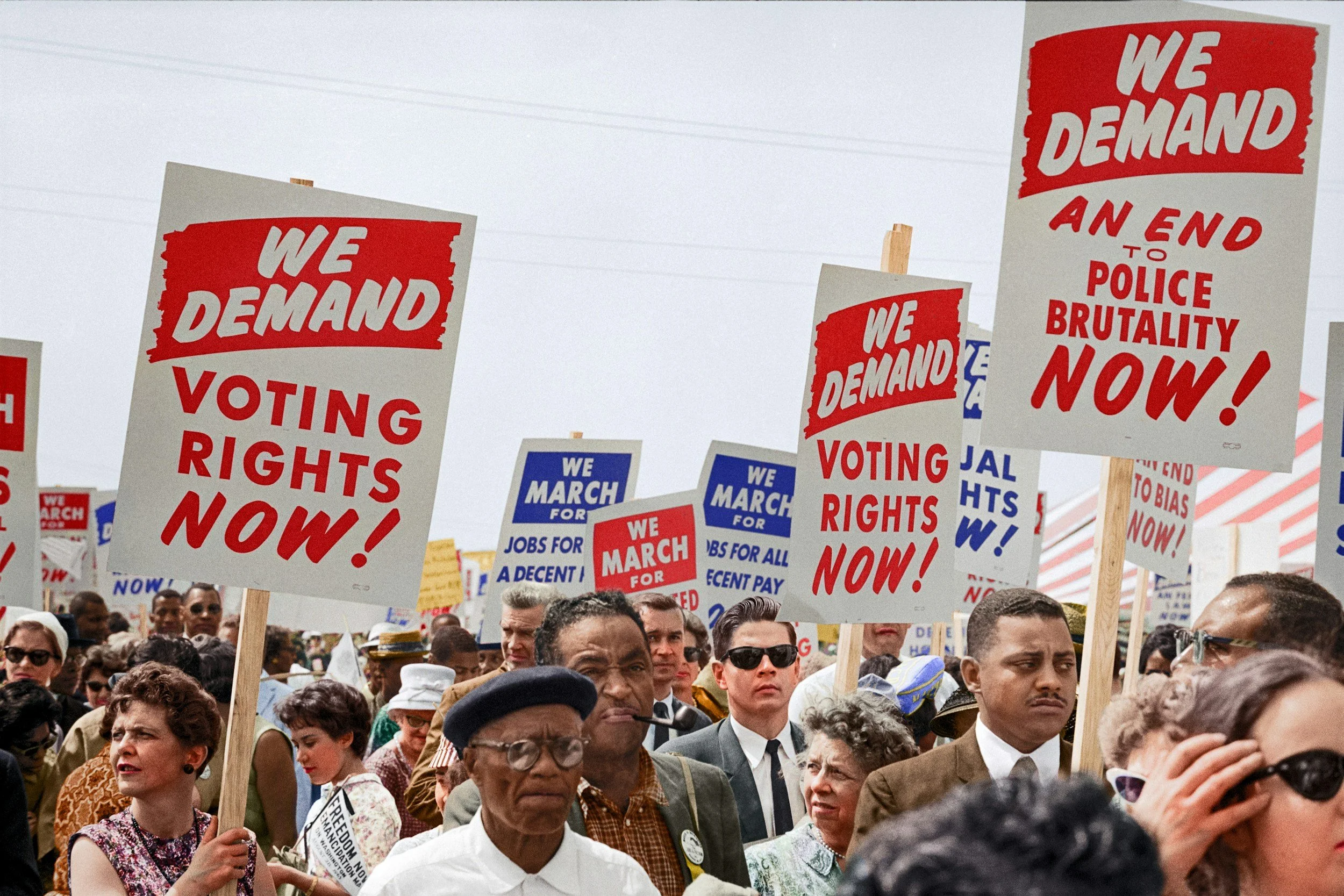
The First Freedom Summer (1964): The Precedent That Summons Us
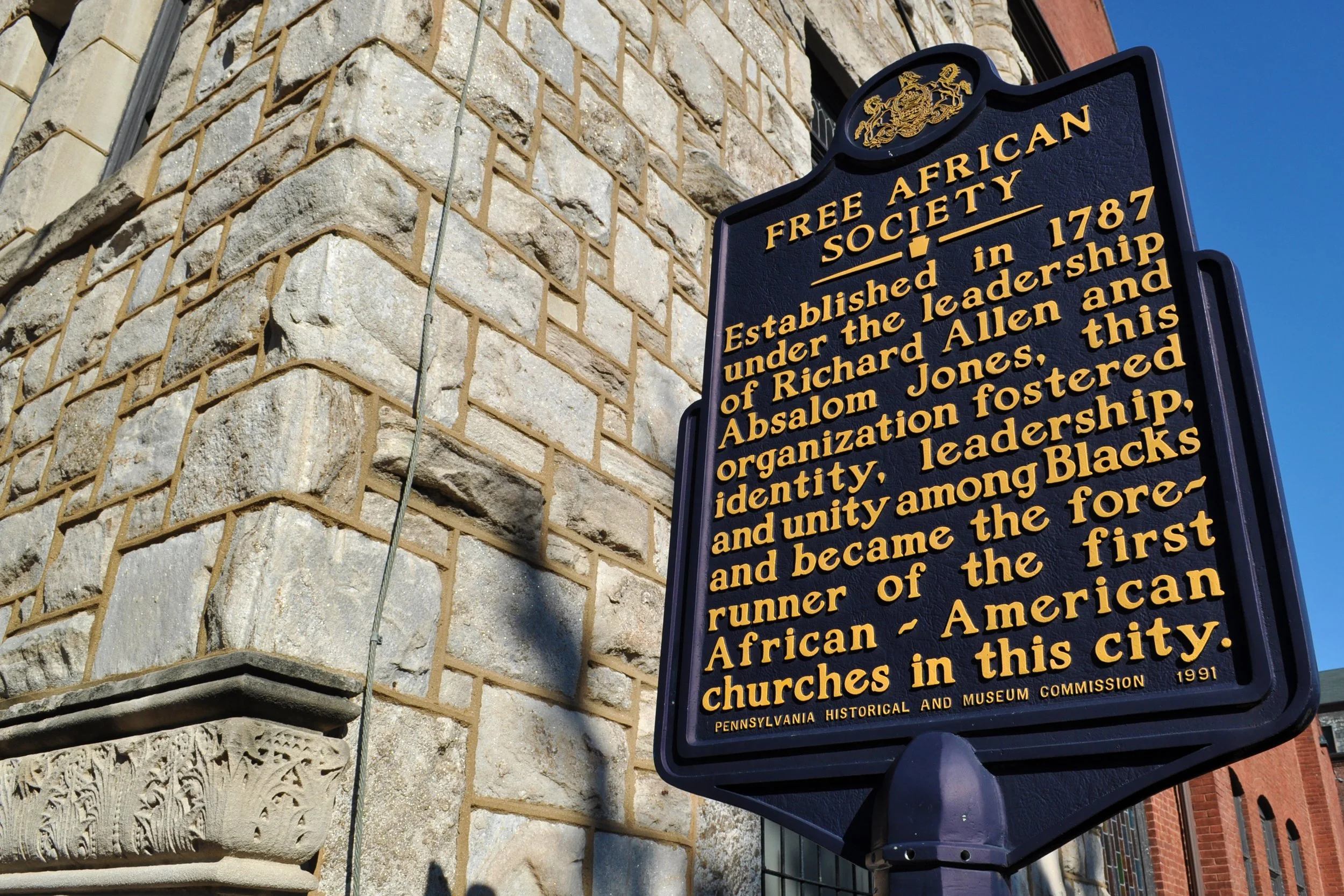
In the summer of 1964, more than 1,000 volunteers — students, clergy, lawyers, teachers, and ordinary citizens — descended on the state of Mississippi in the most ambitious voter registration campaign America had ever seen. The initiative was organized under the Council of Federated Organizations (COFO), a historic coalition of the Student Nonviolent Coordinating Committee (SNCC), the Congress of Racial Equality (CORE), the NAACP, and the Southern Christian Leadership Conference (SCLC)
Their mission was singular: to break the iron wall of Black voter disenfranchisement that had stood in the South for generations. Volunteers established 41 Freedom Schools across Mississippi, where thousands of Black men, women, and young people were educated in history, civics, and their constitutional rights.They canvassed neighborhoods, registered voters door to door, and organized community meetings — all in the face of catastrophic, organized violence.
Over that single summer, more than 1,062 people were arrested. Eighty workers were beaten. Thirty-seven churches were bombed or burned. Four civil rights workers were murdered.The killings of James Chaney, Andrew Goodman, and Michael Schwerner — a young Black man and two young white men from the North — drew the nation's full moral attention to Mississippi and reframed the entire struggle for voting rights.
The campaign directly registered approximately 1,200 Black Mississippians to vote — but its reverberations were exponential. It helped force the passage of the Civil Rights Act of 1964 and the Voting Rights Act of 1965. By 1970, the organizing momentum unleashed that summer had produced 1.7 million new registered voters across the South, lifting Black voter registration rates to nearly 60% and ushering in a new generation of Black elected officials.
Freedom Summer's enduring genius was not only the ballot — it was the model: a collective,coordinated, multi-sector coalition combining voter registration with popular education, political formation, community care, and the moral courage to bear public witness at great personal cost. That model is as powerful today as it was in 1964.
The Free African Society (1787): The AME's Original DNA
But the story of AME freedom work begins nearly two centuries before Mississippi — with an act of defiant dignity in a Philadelphia church.
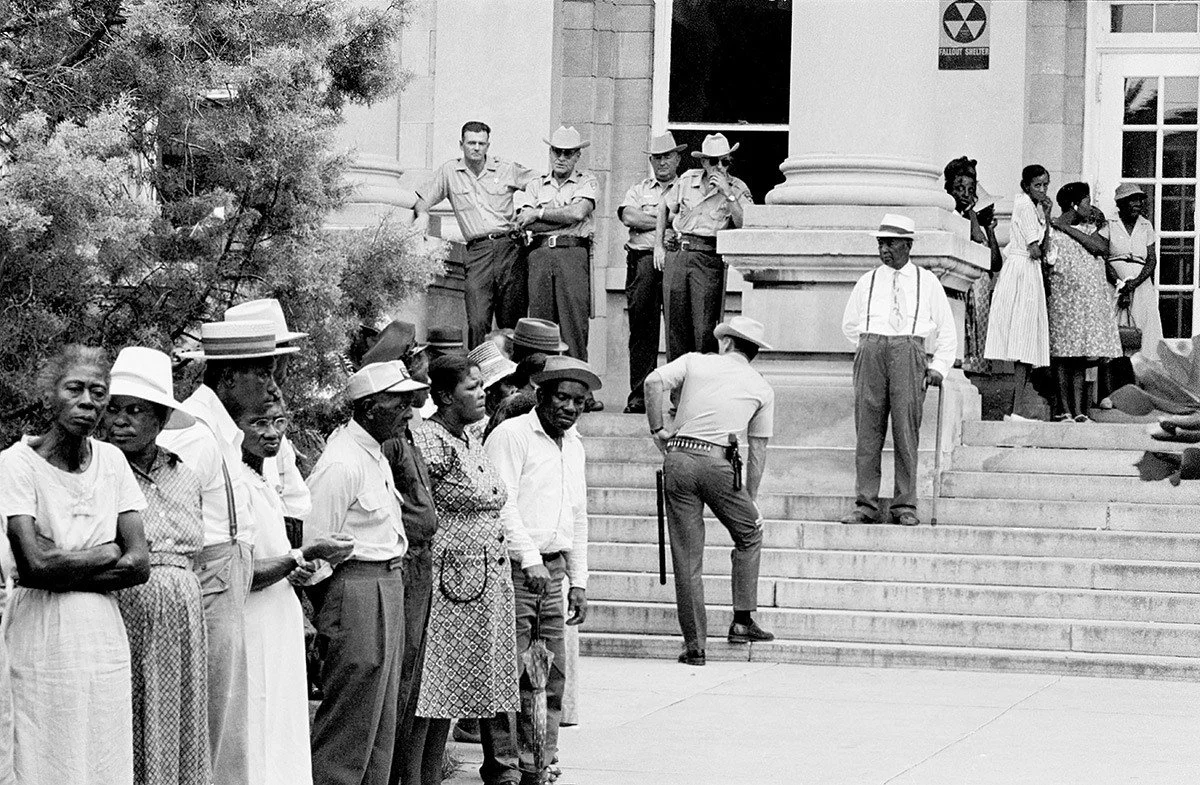
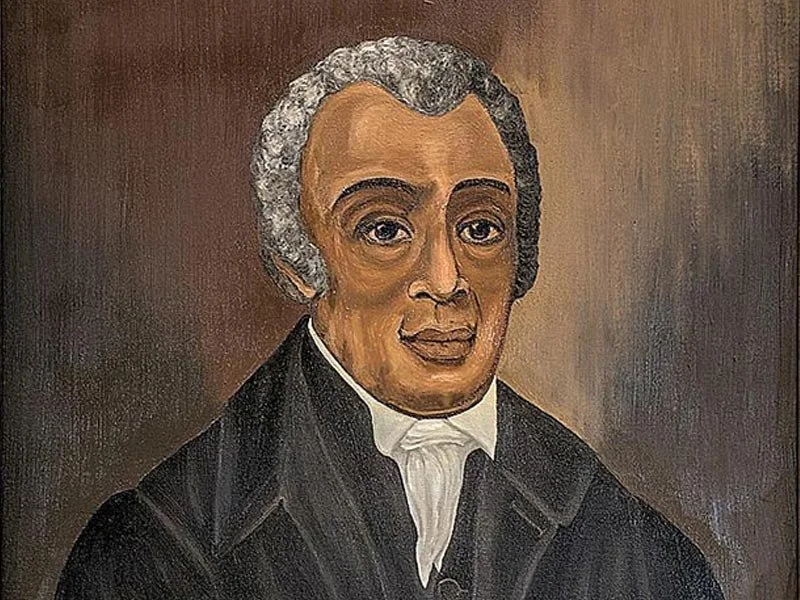
In April 1787, Richard Allen and Absalom Jones — two men who had purchased their own freedom from slavery — were dragged from their knees while praying at St. George's Methodist Episcopal Church. White church officials enforced racial segregation mid-worship, demanding they move to a segregated gallery. Rather than comply, Allen and Jones led their fellow Black congregants out of the building. It was an act of resistance that changed the course of American religious and civic life.
On April 12, 1787, they founded the Free African Society (FAS) — one of the first Black-led institutions in the United States and the first formalized Black mutual aid society in the nation. The Society was simultaneously spiritual, civic, and social. It provided care for widows, orphans, the sick, and the poor. It organized the community around shared dignity. It opposed slavery publicly. And it was deliberately nonsectarian — a gathering of a people, not merely a congregation.
The Free African Society was the seedbed of the entire Black independent church movement. From it grew Absalom Jones's African Episcopal Church of St. Thomas, and on July 17, 1794, Richard Allen dedicated Bethel AME Church in Philadelphia. On April 9, 1816, Allen unified the broader network into the AfricanMethodist Episcopal Church— the first independent Black denomination in the Western world.
The AME Church did not begin with a building or a budget. It began with a walk-out, a mutual aid society, and a refusal to accept second-class humanity. Resistance and service have always been the AME's foundation.
The Binding Thread
Both the Free African Society of 1787 and Freedom Summer of 1964 were responses to the same fundamental assault: the systematic denial of Black humanity, Black voice, and Black political power. Both refused to wait for permission. Both organized collectively — across denominations, organizations, and generations — to care for community, confront power, and build structures of dignity the existing order had denied them. And both produced legacies that far outlasted the moments that birthed them.
The AME Church stands at the intersection of both legacies. It is a living institution that traces its lineage directly to 1787, and that has answered every freedom call since — through the Underground Railroad, Reconstruction, Jim Crow, the Civil Rights Movement, and into the present.
Today, that call is unmistakable. In April 2026, the AME Social Action Commission issued a formal statement condemning the Supreme Court's decision in Louisiana v. Callais, which gutted key protections of the Voting Rights Act. Within days, the AME Church convened an Emergency Black Clergy Zoom meeting and Call to Action. Faith leaders gathered at Big Bethel AME Church in Atlanta to mobilize a response and warn of what is at stake. The NAACP, the ACLU of Alabama, and the Mississippi State Conference of the NAACP sounded the alarm in unison.
A Coalition Effort — and an AME Contribution
The original Freedom Summer of 1964 was never a solo act. Its power came precisely from coalition — from the SNCC, CORE, NAACP, SCLC, the National Council of Churches, hundreds of clergy, thousands of volunteers, and the resilient communities of Mississippi themselves, all aligned toward a common mission under the COFO banner.
That same coalition spirit is alive and surging today. Black Voters Matter's 2026 "All Roads Lead to the South" campaign is advancing in partnership with the NAACP, ACLU, SPLC, Poor People's Campaign, Black Women's Roundtable, and MS One Voice. The Power Coalition for Equity and Justice is conducting a statewide Freedom Summer Tour for voting rights. The SNCC Legacy Project, the NAACP Legal Defense Fund, and the Zinn Education Project are all mobilizing this summer in the tradition of 1964. The AME and CME churches have already formalized voter mobilization partnerships, and Black Voters Matter has deepened its formal partnership with the AME Church specifically to expand voter engagement.
The AME Church is not entering a vacuum — it is joining and strengthening a freedom movement already in motion. AME Freedom Summer is the Church's own distinct expression of a struggle that belongs to all of us. The AME brings what no other institution brings: 239 years of freedom witness, thousands of congregations as organizing centers across every state and beyond, and a connection that is simultaneously local, national, and global. That is not duplication — that is amplification.